
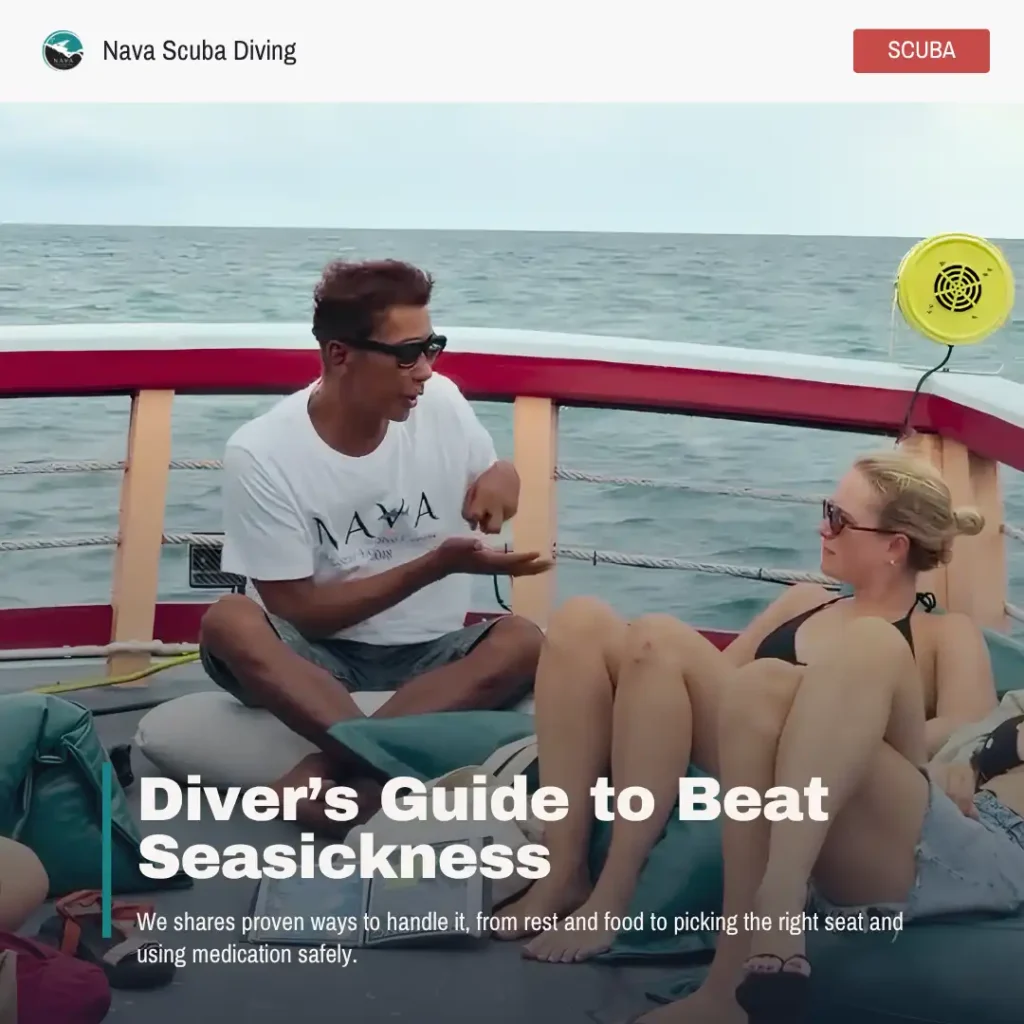
Seasickness Before Diving? Here’s How to Beat It and Still Enjoy Your Trip
You want to explore the underwater world so badly, but picturing yourself pare and seasick on a rocking boat is enough to make you shelve the whole trip. Seasickness before diving has a way of wrecking the fun before it even starts, and leaving you too drained to even face the waves.
If you’ve been putting off a Discover Scuba Diving experience because you get seasick after diving or you justdon’t know how to cure seasickness, we got you. As a PADI 5-Star Dive and Eco Center, Nava Scuba Diving has spent years helping nervous divers beat the boat blues! Here are some best ways to prevent seasickness that actually work, so you can prevent seasickness, drop the worry and get in the water with confidence.
Can You Still Dive If You Get Seasick? Know This Before Your Koh Tao Trip
Yes, and you’re far from the only one who worries about this. Seasickness before diving can hit anyone, from first-timers to the instructors and divemasters who practically live on the boat. It shows up more on rough days when the sea just won’t cooperate. But the good news is, seasickness before diving doesn’t the dive is off the table.
In fact, most divers find that dizzy, queasy feeling fades once they’re underwater, and the dive goes just fine. So instead of letting worry talk you out of a trip you’ve been looking forward to, prep for it properly and and know how to cure seasickness ahead of time. A little planning goes a long way toward heading off seasickness on the boat and feeling seasick after diving.
Why You Get Seasickness Before Diving, Explained Simply
Seasickness happens when your brain gets confused by mixed signals. Your inner ear and muscles feel the boat rocking with the waves, but your eyes, busy checking a dive computer or sorting gear, only see something still. That mismatch is what triggers the dizziness, the pale face, the upset stomach. Add in standing up to sort gear while the boat rocks, a snug wetsuit, hot sun, and dehydration, and it’s easy to see why seasickness before diving can hit even harder than usual.
9 Ways to Prevent Seasickness Before Diving for Your Next Dive
Now that you know what causes seasickness before diving, here’s how to cure seasickness and deal with it. We’ve put together 9 tips, from the night before your trip to the moment you step on the boat. Check off the ones you can do, and you’ll be ready to go for your next trip.
1. Get Plenty of Rest
Don’t let pre-trip excitement keep you up all night. Skimping on sleep tires out your nervous system and inner ear, which makes you far more sensitive to the boat’s motion. A solid night’s rest gives your body the stamina to handle choppy waves and cuts your odds of feeling queasy before you even board.
2. Don’t Skip Meals
A lot of people avoid eating altogether, thinking it’ll make seasickness worse, but an empty stomach actually irritates your gut and makes nausea more likely. Have a light bite before you get on the boat so your body has the energy it needs for the dive ahead.
3. Eat Something Light Before You Board
Stick to easy-to-digest, mild foods like porridge, bread, crackers, or a banana about an hour before boarding. Skip anything fried, greasy, or spicy, along with dairy; heavy food sits in your stomach longer and makes you more likely to throw up.
4. Stay Well Hydrated
Dehydration is one of the biggest reasons your tolerance for seasickness before diving drops fast. Even if your stomach feels off and eating is the last thing you want, sip water or an electrolyte drink little by little. Staying hydrated gives you a much better shot at fighting off nausea.
5. Skip the Alcohol Before Your Trip
Save the big night out for another time. Alcohol doesn’t just dehydrate you badly; it also messes with the balance system in your inner ear. A hangover can turn into double the seasickness the moment the boat hits the waves, and if you’re really hungover, it will stick around even after you get in the water.
6. Sit in the Middle of the Boat
Where you sit really does matter. The middle of the boat toward the stern rocks the least, so you’ll feel less of the swaying motion. Try to avoid the bow, since that’s where you’ll catch the most impact from the waves.
7. Focus on the Horizon
Putyour phone away and take in the view instead. Looking out at the horizon helps your brain match what your eyes see with the motion your body feels. It’s a simple trick many divers rely on to deal with seasickness before diving.
8. Stay in a Well-Ventilated Area
Find a comfortable spot where you can catch a fresh ocean breeze. Avoid crowded spots like the tank rack, where everyone gathers to set up gear. Head to the deck or the stern instead, and stay clear of strong smells that trigger nausea, like diesel exhaust.
9. Take Seasickness Medication the Right Way
If you know you’re prone to getting seasick, medication can be a helpful backup. Take it ahead of time, following the label instructions or your doctor’s advice, because waiting until you already feel nauseous might mean it kicks in too late.
Nauseous and Over It? Here’s How to Take Seasickness Medication Safely
Never just grab whatever’s on hand and take it without thinking. A lot of seasickness medications affect your nervous system and awareness underwater, and some come with side effects like drowsiness too. Nava Scuba Diving always recommends checking with a doctor or pharmacist before taking anything. Here’s what you should know before heading out.
How many hours before diving should you take it?
Different medications kick in at different speeds. Most need to go in 30 minutes to an hour before boarding. Ask a pharmacist about the right timing for your specific medication, so it’s already working by the time the boat starts rocking.
Which type works best for divers?
Note: This information is for general purposes only and is not medical advice. Please consult a doctor or pharmacist before taking any medication to get guidance suited to your health and body.
When choosing seasickness medication for scuba diving, go for options that won’t heavily sedate you, so your mind stays sharp, and you can react normally underwater. That said, most seasickness medications do cause a bit of drowsiness, which is a normal side effect. A couple of options divers in Thailand often mention:
- Yellow Tablets (Dimenhydrinate): The easiest to find and the most affordable option.
- Aneron Niscap (Japanese seasickness medication): A popular pick among Japanese divers, known for a long-lasting effect from just one capsule.
Does it affect your dive?
It can, depending on the medication and how your body reacts. Most seasickness medications cause mild drowsiness. If you take one and start feeling slower to react than usual, or not ready, it’s best to hold off on the dive and let your instructor or dive leader know right away.
Seasick Mid-Trip? How to Feel Better Without Ruining the Dive
Seasickness before diving hits everyone, even divers who live on the boat.. The key is staying calm instead of panicking. Catching the warning signs early and dealing with them right away keeps things from spiralling into a wrecked trip.
- Warning signs before you throw up:
- Sudden cold sweat: Sweating on your palms, forehead, or neck even though it’s not hot out.
- Pale face and excess saliva: Your body’s way of getting ready to throw up.
- Frequent yawning and drowsiness: Feeling tired, heavy-eyed, and yawning a lot for no clear reason.
- Dizziness and stomach discomfort: A queasy, bloated feeling as the boat starts rocking.
- What to do about it:
- Tell your dive leader right away: Don’t hold it in; let them help you decide whether to rest or continue.
- If you’re still okay, dive as planned: Some divers feel better the moment they’re off the boat and underwater.
- If you’re not improving, sit the dive out: Heavy dizziness, nonstop vomiting, or just not feeling ready means it’s time to rest before deciding on the next one.
- Sip water slowly after vomiting: Small sips, then rest. Chugging water fast can bring the nausea right back.
Even Severe Seasickness Won’t Stop You From Learning to Dive
Getting seasick isn’t a dealbreaker for learning to dive. Pick a course that matches your skill level and readiness, and Nava Scuba Diving’s instructor team will help you handle seasickness before diving every step of the way. You can enjoy the experience without the worry. Here are some course optionsif you’re thinking about diving on Koh Tao:
Discover Scuba Diving (DSD): For Anyone Who Wants to Try Diving First
Not sure how you’ll handle being out on the boat, let alone diving itself? The one-day Discover Scuba Diving course is a great way to that out. No prior experience needed. You’ll start with skills practice in shallow water, then head out to explore Koh Tao’s underwater world at depths of up to 12 meters, over 1 to 3 dives, with a Nava Scuba Diving instructor by your side the whole time. A solid way to ease in before deciding whether to take it further.
PADI Open Water Diver: For Those Ready to Dive Into It Seriously
Feeling ready for more? PADI Open Water Diver is your next step. It’s a 3-day course covering shallow-water skills training plus 4 real dives at depths of up to 18 meters. Along the way, you’ll learn everything from using your gear to controlling your buoyancy and handling different situations underwater, building the comfort and confidence you need for every trip after this one.
PADI Advanced Open Water: For Those Ready to Build on Their Skills
For certified divers looking to level up, the PADI Advanced Open Water course runs 2 days and includes 5 dives. It builds on skills you already have and introduces new ones, such as buoyancy control and underwater navigation, while getting you more comfortable in real diving conditions.
Don’t let seasickness before diving or not knowing how to cure seasickness ruin your trip! With the right ways to prevent seasickness, such as earing smark and picking a good seat, using medication properly, chossing the right course, the whole trip gets a lot less stressful. When you are ready with all the right ways to prevent seasickness, pack your bags and come learn to dive with us on Koh Tao. We’ll take care of you until you forget you ever felt seasick after diving in the first place
Seasickness Before Diving FAQ: All Your Koh Tao Questions Answered
Still have questions? Nava Scuba Diving has put together the most common questions new divers ask about seasickness after diving, all answered in one place. From what to eat and where to sit on the boat to whether a wristband actually works, here’s everything you need to know.
Can someone who gets seasick easily still learn to dive?
Absolutely. Getting seasick isn’t a reason to skip diving lessons. Just prepare well and let your instructor know ahead of time,
and you’ll be fine.
Does diving actually get rid of seasickness?
For most people, yes. Once you’re underwater, the rocking motion disappears, so symptoms tend to improve. That said, it varies from person to person.
Why do some people get seasick on the boat but not underwater?
Underwater, there’s no rocking motion like there is on the surface, so the signals from your inner ear and eyes stop conflicting
the way they do on the boat.
What should you eat before a dive trip?
Something light and easy to digest, like bread or bananas. Skip fried, greasy, or spicy food before boarding.
Should you skip coffee before diving?
It’s best to skip it or cut back. Caffeine can dehydrate you, and dehydration can trigger seasickness.
Where's the best place to sit on the boat to avoid seasickness?
The middle of the boat is your best bet. It rocks less than the bow or stern. Stay away from the engine too.
Do anti-seasickness wristbands actually work?
They can ease nausea for some people, though results vary. Best to think of them as a backup alongside other remedies.
Does Drinking Alcohol Before Boarding Actually Prevent Seasickness?
That’s a dangerous myth. Alcohol directly affects your body’s balance system, and dehydrates you faster. Drinking before boarding will only make seasickness before diving much worse, not better.

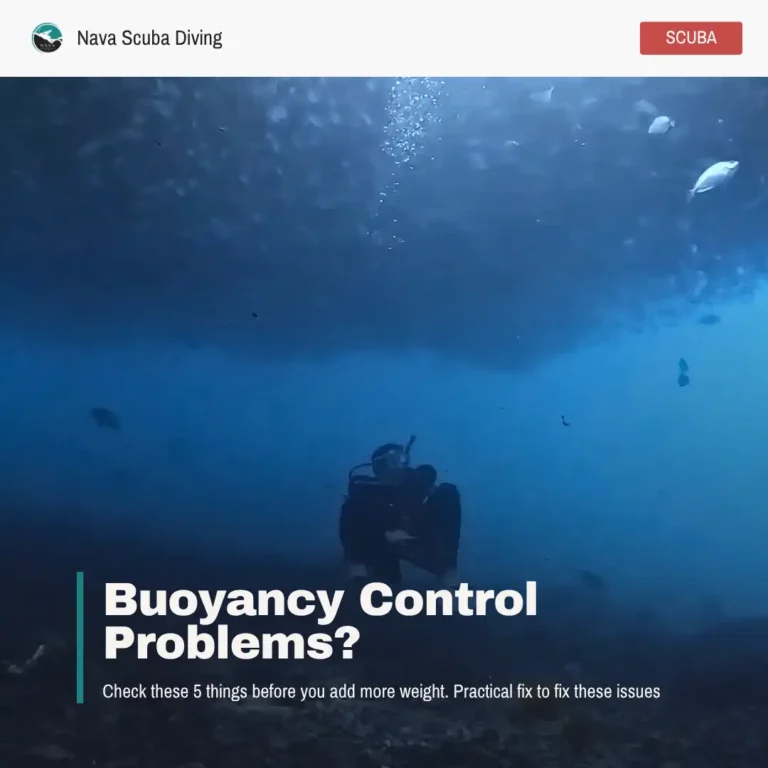
Learn why buoyancy control is important for diving, why scuba diving buoyancy can be tricky, and practical tips to improve neutral buoyancy for smoother dives.

Planning a relaxing trip? Explore Koh Tao activities and Koh Tao things to do beyond diving, from beautiful beaches and scenic views to easygoing water activities.
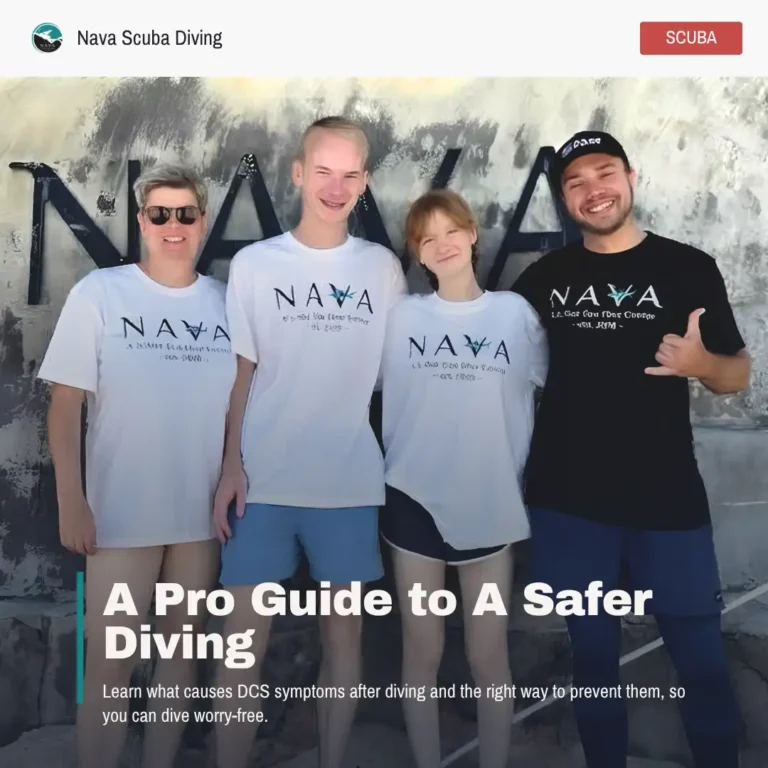
Feeling sore or tired after a dive? Learn what causes DCS symptoms after diving and the right way to prevent them, so you can dive worry-free.
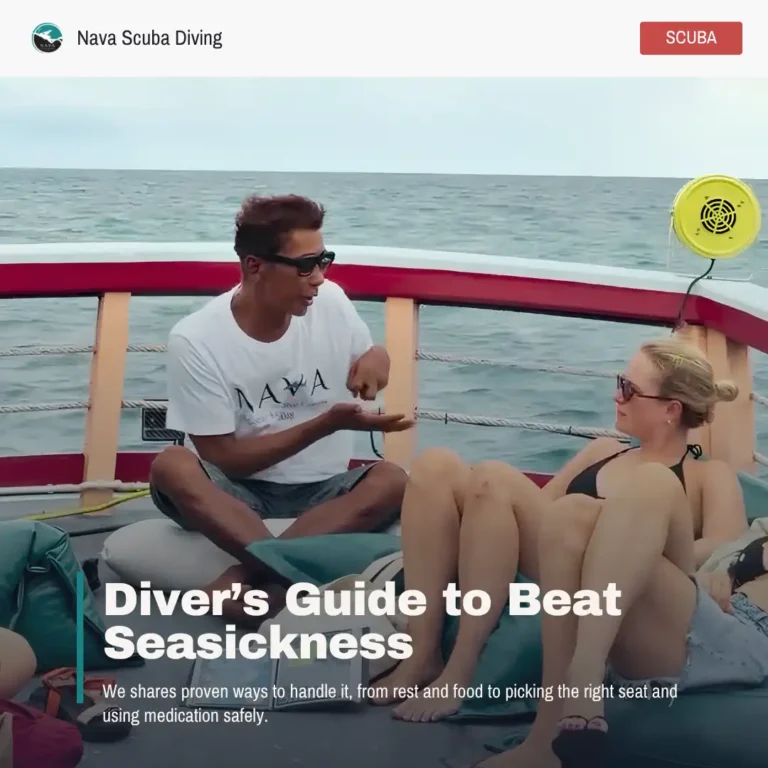
Worried about seasickness before diving? Nava Scuba Diving shares proven ways to handle it, from rest and food to picking the right seat and using medication safely.