

Koh Tao Rainy Season: Can You Still Dive or Should You Wait?
You finally cleared your schedule for a diving trip, only to realize it falls right in the Koh Tao Rainy Season or even the Koh Tao monsoon season. So now you’re probably wondering, “Can you still go diving, or should you cancel the trip?” If that’s exactly where you are, don’t worry just yet. Koh Tao Diving Season isn’t just about sunny days, and the Rainy Season in Koh Tao can still be a really fun and rewarding time to explore underwater.
At Nava Scuba Diving, a PADI 5-Star dive school on Koh Tao, we’ll show you what diving during the monsoon is actually like. From where to dive to what you can expect, you’ll get a clear picture before deciding, and you might find that Scuba Diving Koh Tao Trip is still totally worth it.
The Weather Isn’t Perfect, But Koh Tao Diving Can Still Be!
Many people assume that rain means bad diving, but that’s not quite how it works. At Nava Scuba Diving, we’ll say diving during the Koh Tao Rainy Season is absolutely possible with the right preparation and planning.
Once you drop below 2-3 meters, you barely feel what’s happening at the surface. Rain on its own isn’t the real issue; the only noticeable difference might be slightly darker visibility without direct sunlight. What actually impacts your dive during the Monsoon Season, whether it is in Koh Tao and other areas, are other factors, and we’ll walk you through all of them below.
1. Underwater Visibility
Heavy rain can stir up sediment and wash runoff from the shore, so the water won’t be as crystal clear as it is during the high season. But here’s the upside: that cloudiness often comes with planktons, which attract more activity from the marine life than you’d typically see. More fish, more action. And if your underwater navigation skills are solid, a little reduced visibility during the Rainy Season in Koh Tao really isn’t a dealbreaker
2. Currents & Tides
Currents can pick up and shift during the Monsoon Season, potentially affecting access to certain dive sites. Your dive leader might tweak the plan or opt for a drift dive with split entry and exit points to keep things safe. Just make sure you’re carrying an SMB and a dive whistle; they’re non-negotiable on any rainy season dive. However, this is not common on Koh Tao; the current is never strong enough for a drift dive. Koh Tao is what you can expect: a beginner-friendly island all year long.
3. Wind & Wave Conditions
Strong winds mean bigger waves, which can make surface swimming more tiring than usual, whether you’re waiting for your group or the boat. Experienced divers often use techniques like negative entry to get below the surface quickly and avoid the chop. Either way, listening to your dive leader and following their guidance is key when the seas are rough. It’s what keeps the dive safe and enjoyable for everyone.
4. Water and Body Temperature
Even though the water stays warm, the wind and rain above the surface can cause your body temperature to drop quickly once you get out. Choosing the right gear, like a wetsuit with the perfect thickness, and having a windbreaker or dry towel ready on the boat will help you stay warm, comfortable, and ready for your next dive during the Koh Tao Rainy Season and elsewhere.
5. Storms and Lightning
While diving in a light shower during the Koh Tao Monsoon Season can feel like a cool, mysterious adventure, a severe storm with lightning near the dive site is a completely different story. Your safety always comes first! If the boat captain and your dive instructor spot any real risks, we will always wait for the weather to clear up and ensure conditions are 100% safe before anyone jumps into the water.
Thai Monsoon – Which Side of the Country Is Still Worth Diving?
First of all, it’s important to understand the difference between Thailand’s rainy season and the monsoon. The rainy season (around May-September) brings regular showers across most of the country except the south, while the monsoon is driven by wind patterns and strongly influences rainfall in the south.
Thailand has two coastlines, the Gulf of Thailand and the Andaman Sea, and each side experiences monsoons at different times. For diving, the Gulf side, especially Koh Tao, is usually less affected since there are dive sites all around the island, including sheltered spots where you can still enjoy a good dive even without perfect weather.
| Gulf of Thailand (Koh Tao) | Andaman Sea (Phuket, Krabi) | |
|---|---|---|
| Monsoon Season | Late October – Early February | Late May – Late October |
| Can You Dive? | Yes! Koh Tao Rainy Season is great for diving since many sites are sheltered from the wind. | Limited access. Some sites and national parks close completely. |
| Vibe & Conditions | Quiet, uncrowded, with the dive sites very close to the shore. | Rough waves and bumpy boat rides can make travel difficult because the dive site is far. |
| Best Suited For | Divers of all experience levels. | Advanced divers and above. |
Koh Tao is Great For Diving Year-Round, Even in Koh Tao Rainy Season
Wondering if you can dive in Koh Tao all year? As an experienced PADI 5-Star Dive Center, Nava Scuba Diving can confidently tell you that the Koh Tao diving season pretty much covers the whole year! The island has a great natural layout that acts as a shield against changing winds. Even if it gets breezy and one side of the island has waves, our dive guides can easily take you over to the other side, where the water is flat and calm.
So, even when the weather isn’t 100% perfect, this island remains a reliable safe zone that divers from all over the world absolutely love. It is always ready to welcome you into the water almost any day of the year. Want to know more about planning your trip during the Koh Tao Rainy Season? Read our full guide!
Top Must-Visit Dive Sites During the Monsoon
Don’t worry about getting stuck in shallow bays just because it’s the Koh Tao Rainy Season. Many of our world-class dive sites stay open almost year-round, and our guides check the daily conditions to pick the absolute best dive site for you.
- Pinacle de Chumphon : A must-visit site with sea anemone fields and schools of large fish. Suitable for all levels, with an average depth of 20-25 meters.
- Le pinacle du sud-ouest : A massive granite formation with plenty of marine life and schooling fish. Best for advanced divers and above, around 25 meters deep.
- White Rock : One of Koh Tao’s signature sites, packed with coral and beautiful light rays—perfect for photos. Suitable for all levels, around 15 meters deep.
- No Name Pinnacle: Layered granite formations to swim through, with access to a nearby wreck. For advanced divers, the average depth is 20 meters.
The Hidden Side of Diving During the Rainy Season in Koh Tao
Diving during the rainy season has a totally different vibe. Sure, the sky might not be blue every day, but you get to trade the crowds for a level of peace you won’t find any other time of year. If you don’t mind missing perfect visibility on every single dive, jumping into the Koh Tao Monsoon Season could easily become your favorite Koh Tao Scuba Diving trip yet. Check out the pros and cons we’ve broken down below to see if it’s your kind of adventure!
Pros of Diving During the Rainy Season
Diving during the Rainy Season in Koh Tao comes with awesome perks that many people completely overlook. While the Koh Tao Monsoon Season might not offer postcard-perfect skies, it delivers an amazing underwater experience and a much more relaxing island vibe.
- Zero Crowds: Skip packed boats. Dive sites are peaceful and quiet, giving you plenty of space to explore and take photos without the crowds.
- Budget-Friendly: Travel and accommodation deals are everywhere. You’ll save a ton compared to peak season, leaving extra cash for your next PADI Diving Course.
- Level up your skills: You’ll get to experience different conditions and learn how to adapt, which makes you a more confident diver in the long run.
Cons of Diving During the Rainy Season
Of course, diving during the Rainy Season in Koh Tao comes with a few things you should know before booking. They aren’t dealbreakers, but keeping them in mind helps set the right expectations for a fun, stress-free trip.
- Less Visibility: Rain and waves during the Koh Tao Monsoon Season stir up sediment, meaning the water can be cloudier than during peak season.
- Last-Minute Schedules: Strong winds might make certain spots unsafe. You’ll need to be flexible, as boats may change times or swap dive sites for your safety.
4 Tips for Diving Safely and Smartly During The Rainy Season in Koh Tao
We can’t control the weather, and it definitely plays a big role in scuba safety. But if you’re planning a trip during the Koh Tao Rainy Season, there’s no need to stress! You just need to be a little more prepared than usual to keep things smooth and fun. To help you dive with total confidence, we’ve put together a quick checklist for braving the Koh Tao Monsoon Season like a pro.
1. Check the Weather: Monitor wind, wave, and rain forecasts 5-7 days ahead. Check again on the island to plan your days better during the Koh Tao monsoon season.
2. Talk to Your Dive Center: Chat with the team before booking. Ask about current water conditions and trip flexibility so you know exactly what to expect.
3. Double-Check Your Gear: Thorough buddy checks are always a must, but they are even more critical when diving during the Rainy Season in Koh Tao.
4. Stay Flexible: You might not hit your top-choice site every day, but trust your guides; they will always take you to the best and safest spot available.
Level Up Your Diving Skills with Top Courses at Nava Scuba Diving
By now, you probably have your answer on whether you can dive during the Koh Tao Rainy Season. If you’re ready to jump in, Nava Scuba Diving, a PADI 5-Star Dive Center and PADI ECO Center on Koh Tao, has the perfect package for every level. Whether you’re a complete beginner or looking to sharpen your skills, our Diving Course Koh Tao is fun, practical, and includes full diving insurance!
Découvrir la plongée sous-marine
“a test dive experience”-
Expérience d'une journée
-
12 mètres de profondeur maximum
-
Pas de licence. Il faut réessayer pour plonger à nouveau.
PADI Scuba Diver
“a mini course version”-
Cours de 2 jours
-
12 mètres de profondeur maximum
-
Licence pour plonger avec un guide
PADI Open Water
“ticket to underwater”-
Stage de 3 jours
-
18 mètres de profondeur maximum
-
Licence de plongée avec un binôme
Still wondering if you can dive in Koh Tao Rainy Season? The answer is yes, as long as you understand the sea and pick your timing right. Diving during the Rainy Season in Koh Tao doesn’t mean a bad experience; it just means being flexible with the weather and smart about your dive site.
The Koh Tao Diving Season runs almost year-round, and even during the Koh Tao Monsoon Season, there’s always somewhere great to dive. If you’re done waiting for perfect conditions, it’s time to plan that trip. Come dive with Nava Scuba Diving; we’ll show you an underwater world you’ll fall in love with from your very first dive.
Diving in Koh Tao Monsoon Season: FAQs Made Simple
Traveling during the rainy season and still on the fence about whether it’s truly safe to dive, or whether beginners can still take a course? Nava Scuba Diving has put together the most popular questions that new divers ask us all the time. Let’s see what they ask.
Is scuba diving safe when it rains?
Rain on the surface doesn’t actually affect what’s happening underwater. Once you’re below, you won’t feel it at all. What really matters is the wind and wave conditions. If the weather isn’t safe, dive centers will simply delay the boat or switch to a more sheltered dive site. Safety always comes first.
Can beginners dive in the rainy season?
Absolutely! And many people actually think it’s a great time to learn. There are fewer divers around, which means more one-on-one attention from your instructor, a more relaxed pace, and often better prices too.
What visibility do you need to dive safely?
There’s no fixed number; it really depends on the diver’s experience and the specific site. In Thailand, average visibility typically sits around 5-10 meters during the Rainy Season in Koh Tao. That said, skills like wreck diving and cave diving are trained in much lower visibility conditions. As a general rule, if you can see your buddy and stay in control, you’re good to dive.
When is the monsoon season in Koh Tao?
The Koh Tao Monsoon Season generally runs from late October through early February. Some days may bring rain and stronger waves, but it’s not rough weather every single day, and there are always dive sites that remain perfectly accessible throughout the season.

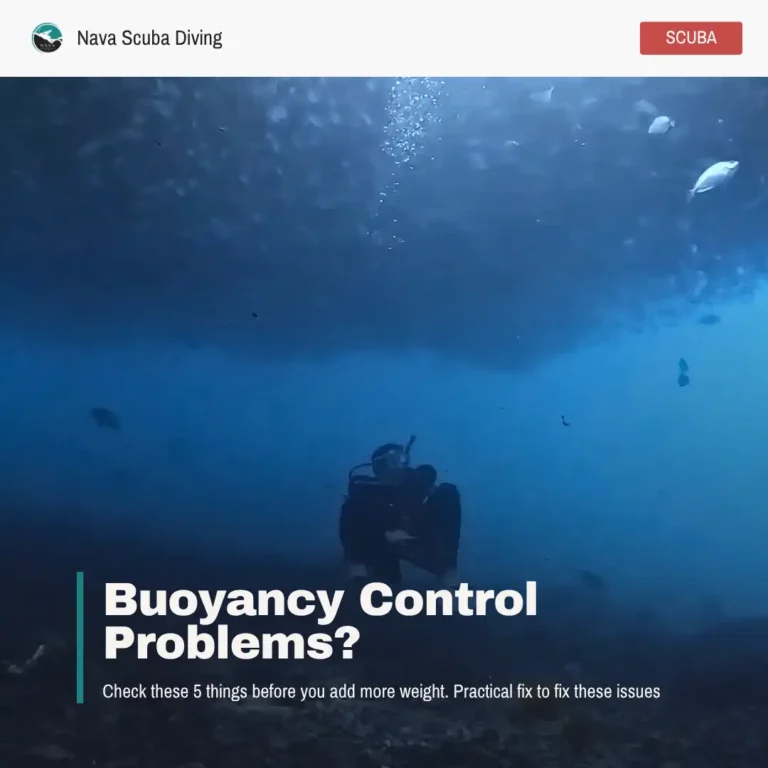
Learn why buoyancy control is important for diving, why scuba diving buoyancy can be tricky, and practical tips to improve neutral buoyancy for smoother dives.

Planning a relaxing trip? Explore Koh Tao activities and Koh Tao things to do beyond diving, from beautiful beaches and scenic views to easygoing water activities.
Feeling sore or tired after a dive? Learn what causes DCS symptoms after diving and the right way to prevent them, so you can dive worry-free.

Worried about seasickness before diving? Nava Scuba Diving shares proven ways to handle it, from rest and food to picking the right seat and using medication safely.